

At Alliance Aviation, we are proud to be the largest independent FAA-certified aviation training center in the United States. With training facilities in Fort Lauderdale, Miami, Dallas, Cancun, Las Vegas, and Orlando, we are able to provide top-quality training to aspiring pilots from all over the world. One of the most common questions we get from our students is about the differences between private and commercial pilots. In this blog post, we will explore four key differences between these two types of pilots, including the different qualifications and type ratings required for each.
Licensing and Training Requirements The first major difference between private and commercial pilots is the licensing and training requirements. To become a private pilot, an individual must have a minimum of 40 hours of flight time, including at least 20 hours of solo flight time. They must also pass a medical examination and a written and practical test. On the other hand, to become a commercial pilot, an individual must have a minimum of 250 hours of flight time, including at least 100 hours of solo flight time. They must also pass a more rigorous medical examination and written, oral, and practical tests.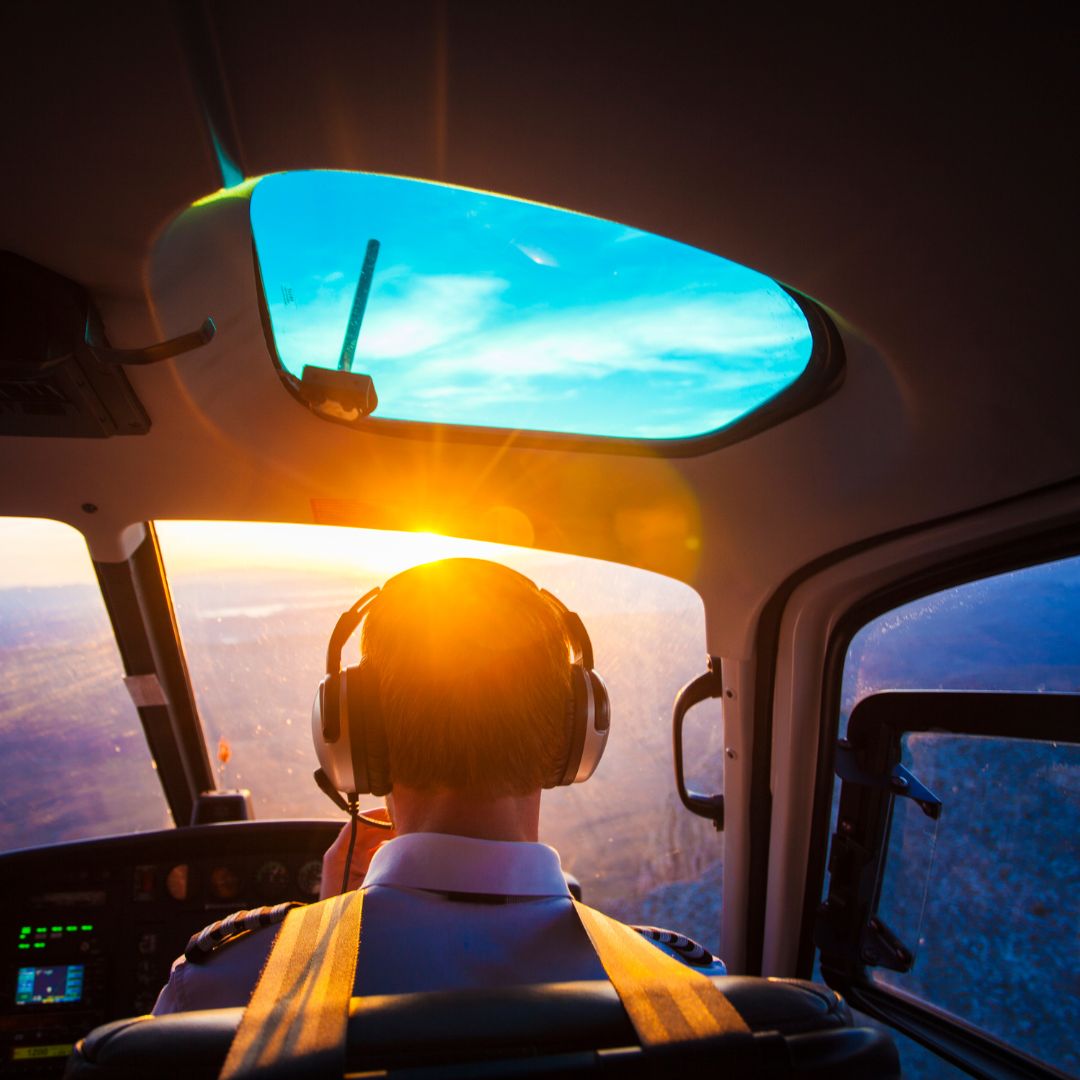
Type Ratings Another key difference between private and commercial pilots is the type of aircraft they are qualified to fly. Private pilots are typically only qualified to fly small single-engine aircraft, while commercial pilots are qualified to fly a wide variety of aircraft, including multi-engine and jet aircraft. To achieve this, commercial pilots must complete a type rating, which is a specialized training program that certifies them to fly a specific type of aircraft. This type of rating is not required for private pilots. Commercial pilots, as we mentioned, are qualified to fly a wide variety of aircraft, including multi-engine and jet aircraft. This includes some of the most popular and widely used commercial aircraft in the world. The Airbus A320 and the Boeing 737 are two examples of the types of commercial aircraft that commercial pilots can fly. Both the Airbus A320 and the Boeing 737 are widely used by airlines around the world and are considered to be among the most popular and in-demand aircraft in the commercial aviation industry.
Flight Time Restrictions Private pilots are subject to certain flight time restrictions that do not apply to commercial pilots. For example, private pilots may not fly for hire or compensation, and they are not allowed to fly in certain airspace, such as Class A airspace (above 18,000 feet). Commercial pilots, on the other hand, are not subject to these restrictions and can fly for hire or compensation and in any airspace.
Career Opportunities The final major difference between private and commercial pilots is the career opportunities available to them. Private pilots are typically not able to make a career out of flying, as they are not able to fly for hire or compensation. Commercial pilots, on the other hand, can make a career out of flying, as they are able to fly for hire or compensation and can work as a pilot for an airline or charter company. 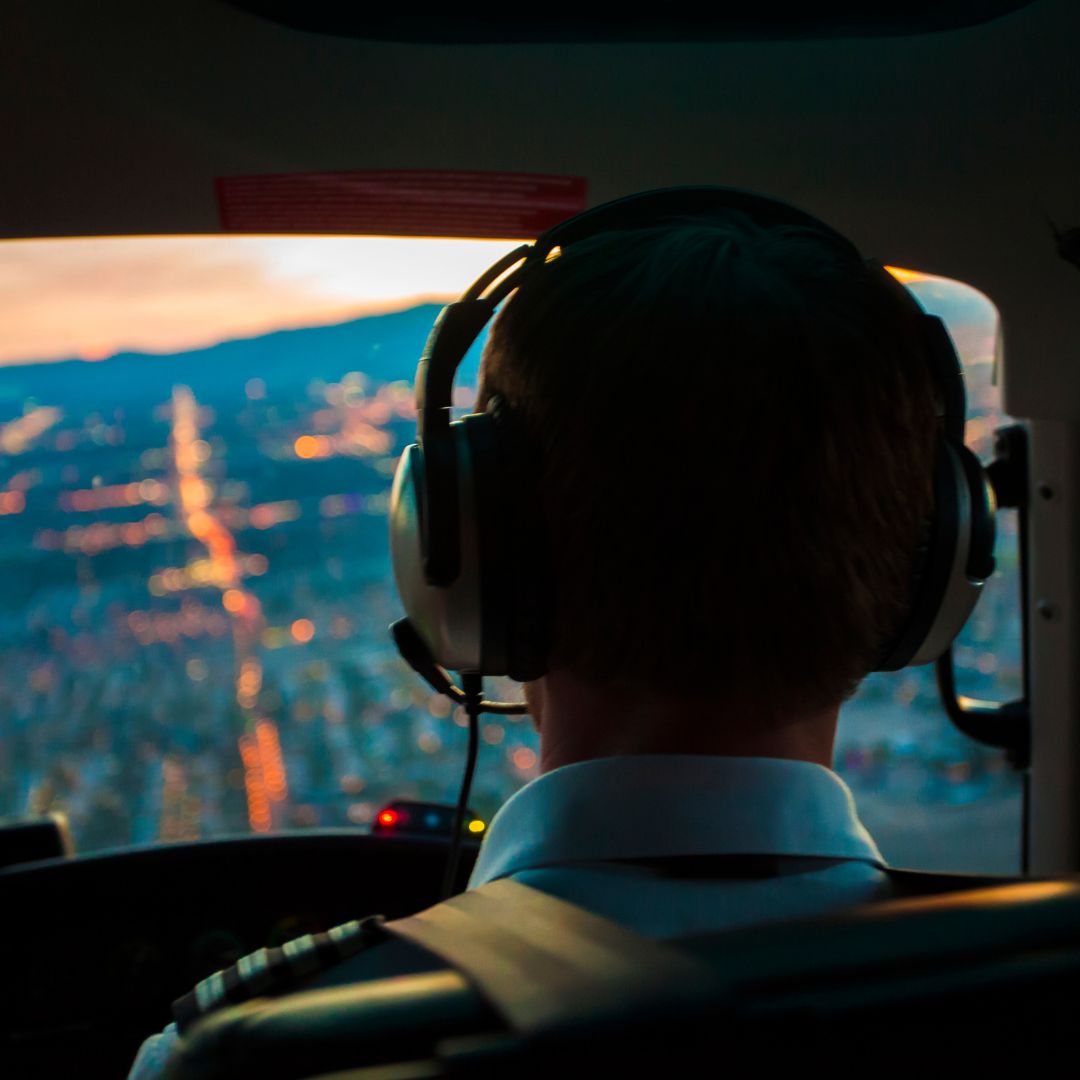
In conclusion, while both private and commercial pilots share a passion for flying, there are a number of key differences between the two, including the licensing and training requirements, type ratings, flight time restrictions, and career opportunities. At Alliance Aviation, we are dedicated to providing the training and support needed to help aspiring pilots achieve their goals as commercial pilots.