
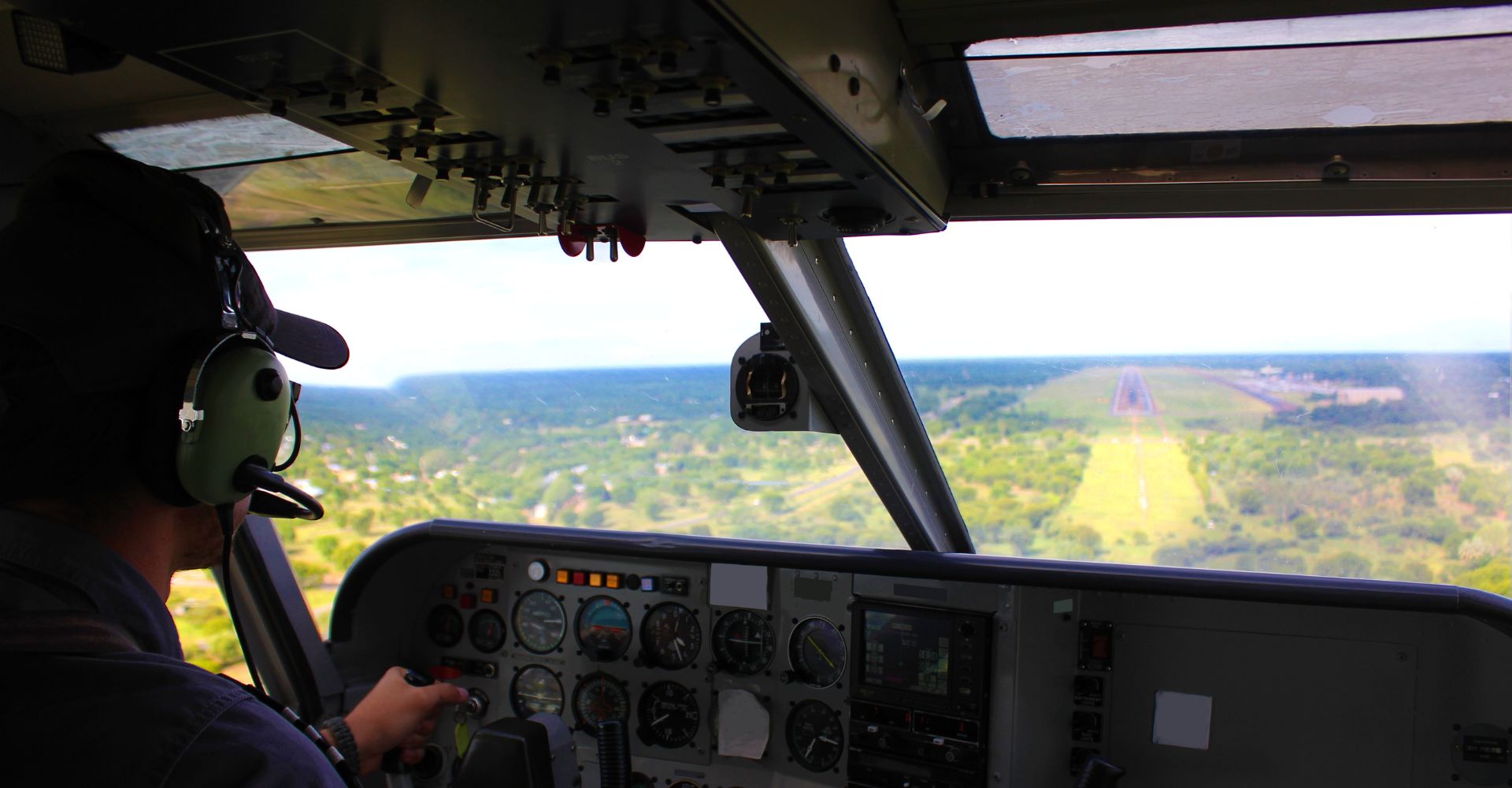
For pilots aspiring to operate more complex airplanes, obtaining a type rating is a crucial step. This certification, added to a pilot’s license, confirms that the pilot has completed the necessary training and passed the exams required to fly a specific aircraft type. Here is a comprehensive step-by-step guide to understanding and navigating the process of obtaining a type rating.
Step 1: Determine Eligibility
Before embarking on your journey towards a type rating, it’s essential to ensure you meet the basic eligibility requirements. Generally, pilots need:
- A Private Pilot License (PPL) or higher certification.
- An Instrument Rating (IR), especially for complex aircraft.
- A multi-engine rating, if the aircraft you wish to be type rated for is multi-engine.
- A set number of flight hours, which varies depending on the aircraft and regulatory authority, such as the FAA or EASA.
Step 2: Choose the Right Training Program
Research and select a reputable flight training organization or airline that offers type rating courses. Consider factors such as the school’s accreditation, the quality of their simulators, instructor experience, and feedback from previous trainees.

Step 3: Ground School
The training begins with comprehensive ground school education. This includes:
- Aircraft systems and their operations.
- Limitations and performance characteristics.
- Standard operating procedures and emergency protocols.
Step 4: Simulator Training
Modern simulators provide realistic flight scenarios that replicate the dynamics of the actual aircraft. These sessions usually cover:
- Normal flight procedures.
- Unusual or emergency situations.
- Crew Resource Management (CRM) skills

Step 5: Supervised Line Flying
Following successful simulator training, pilots may be required to complete supervised line flying with an experienced training captain. It allows you to:
- Apply learned concepts in real environments.
- Gain confidence in handling the aircraft.
- Understand airline operations and crew dynamics.
Step 6: Final Assessment
The final step in the type rating process is a formal assessment or check ride conducted by a designated examiner. Successfully passing this evaluation demonstrates that you are competent to fly the aircraft type without supervision.

Step 7: Certification
Upon passing all required assessments, your aviation authority will issue your type rating. This involves updating your pilot’s license to include the specific aircraft type, signifying that you’re now legally authorized to act as Pilot-in-Command or co-pilot of that aircraft.

The journey to obtaining a type rating is demanding but rewarding, equipping pilots with the specialized skills needed to fly complex aircraft. Learn more about courses with Alliance Training today!