
Welcome aboard! Embarking on a journey to become a pilot is an exciting and rewarding endeavor. At Alliance Aviation, we understand the hurdles that trainees face during type rating courses, and we’re here to guide you through overcoming them. Type Rating courses, in particular, present unique obstacles that require dedication, perseverance, and effective strategies to overcome. Whether you’re just starting your pilot training journey or seeking ways to enhance your skills, this guide will help you navigate the ups and downs of type rating courses with confidence.

The Basics of Type Rating Courses
A type rating course is a specialized training program designed to provide pilots with the knowledge and skills necessary to operate a specific type or model of aircraft. In aviation, different aircraft models require specific qualifications and certifications for pilots to fly them legally and safely. A type rating is essentially a certification that indicates a pilot is qualified to operate a particular aircraft type.
Our type rating courses feature a comprehensive curriculum that covers the intricacies of operating various commercial airliners, including the Boeing 737, 767, and 787, Airbus 320, ATR 500/600, Embraer 145, and 170/90, as well as ATP-CTP certifications. Trainees must absorb a vast amount of technical information and procedural knowledge within a limited timeframe, which brings us to our first challenge, the intensive curriculum.
Mastering Technical Knowledge
Type rating courses typically cover a range of topics tailored to the specific aircraft type, including:
- Aircraft Systems: Detailed study of the aircraft’s systems, including avionics, engines, hydraulics, and electrical systems.
- Procedures and Performance: Learning standard operating procedures (SOPs) and understanding the aircraft’s performance characteristics, such as takeoff and landing distances, climb rates, and fuel consumption.
- Emergency Procedures: Training on how to respond to various emergency scenarios, including engine failures, fires, and other critical situations.
Simulator Training: Hands-on experience in a flight simulator to practice maneuvers, procedures, and emergency scenarios in a controlled environment. - Regulatory Compliance: Understanding and adhering to aviation regulations specific to the aircraft type, including maintenance requirements, operational limitations, and safety protocols.
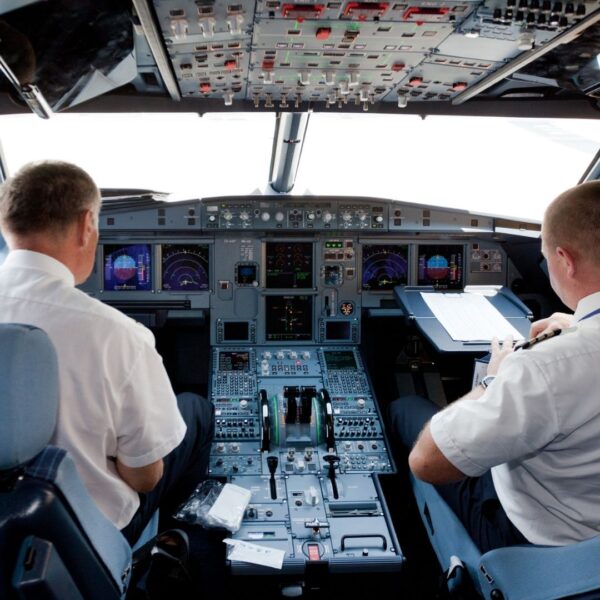
Mastering the technical intricacies of a new aircraft type is often cited as one of the biggest challenges for trainees in type rating courses. From understanding complex systems to memorizing emergency procedures, there’s a wealth of information to absorb within a relatively short period.
To overcome this challenge, it’s essential to adopt a systematic approach to studying. Start by thoroughly reviewing aircraft manuals, focusing on key systems, limitations, and normal/abnormal procedures. Break down the information into manageable chunks and utilize study aids such as flashcards, diagrams, and mnemonic devices to reinforce your learning. Additionally, take advantage of simulator sessions to gain hands-on experience and practice applying theoretical knowledge in a realistic environment.
Managing the Intensive Training
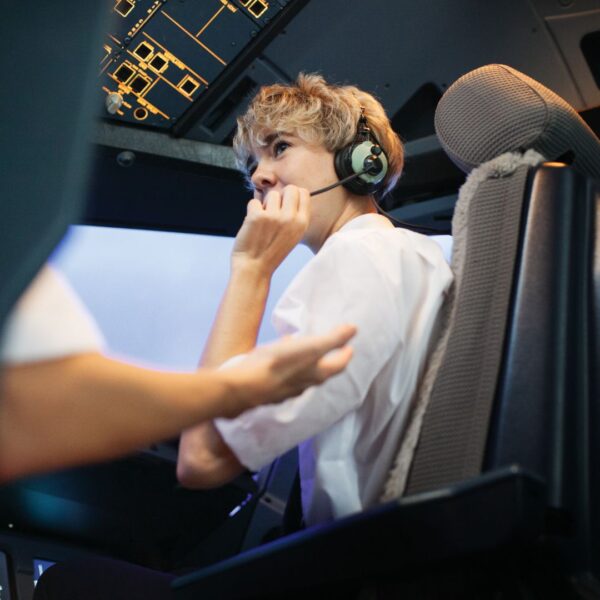
Type Rating courses are known for their rigorous and intensive training schedules, often requiring trainees to cover a vast amount of material in a relatively short timeframe. Managing your time effectively is crucial to staying on track and avoiding overwhelm. Simulator sessions play a pivotal role in type rating courses, providing trainees with invaluable hands-on experience in a controlled environment. However, operating a simulator can be challenging, requiring precise coordination, situational awareness, and effective decision-making skills.
To manage the training, start by creating a detailed study schedule that allocates dedicated time for studying, simulator sessions, and rest. Prioritize tasks based on urgency and importance, and set realistic goals for each study session. Break down larger tasks into smaller, more manageable subtasks, and tackle them one step at a time. Remember to build in regular breaks to rest and recharge, as maintaining a healthy balance between study and relaxation is key to sustaining productivity and focus throughout the course.
To make the most of your simulator sessions, approach each session with a positive attitude and a willingness to learn. Communicate openly with your instructor about areas where you need improvement and actively seek feedback to identify areas for growth. Focus on mastering fundamental maneuvers and procedures before progressing to more advanced tasks, and don’t be afraid to ask questions or request additional practice when needed. Remember that every simulator session is an opportunity to refine your skills and build confidence in your abilities as a pilot.
Understanding Emergency Procedures
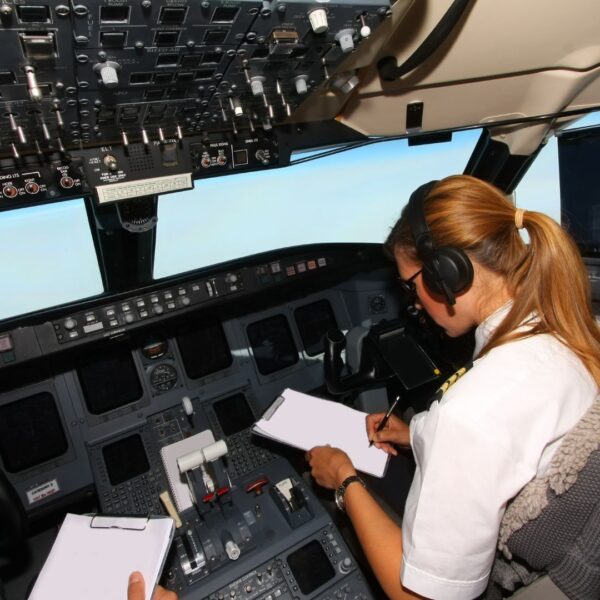
One of the most critical aspects of pilot training is learning to respond effectively to emergency situations. Whether it’s an engine failure, loss of pressurization, or any other in-flight emergency, the ability to remain calm and execute emergency procedures swiftly is essential for ensuring the safety of the aircraft and its occupants.
To prepare for emergencies, familiarize yourself with the aircraft’s emergency checklists and procedures, committing them to memory through regular review and repetition. Participate in simulated emergency scenarios during simulator sessions, allowing you to practice applying emergency procedures in a realistic setting. Focus on developing a methodical approach to problem-solving, prioritizing tasks based on the severity of the situation, and communicating effectively with your fellow crew members to coordinate your response.

Compliance and Regulatory Knowledge
Compliance with aviation regulations is a fundamental aspect of safe and legal flight operations. Throughout your type rating course, you’ll be expected to demonstrate a thorough understanding of applicable regulations, ranging from aircraft certification requirements to airspace restrictions and flight planning procedures.
To master regulatory knowledge, familiarize yourself with relevant aviation authorities’ regulations and advisory material, such as the Federal Aviation Regulations (FARs) in the United States or the European Union Aviation Safety Agency (EASA) regulations in Europe. At Alliance Aviation, your instructors will guide you on interpreting and applying regulatory requirements in practical scenarios and participate in regulatory compliance workshops or seminars to deepen your understanding. Remember that regulatory compliance is not just a legal obligation but a cornerstone of aviation safety, ensuring that you operate within established guidelines and standards to mitigate risks and maintain the highest levels of safety and professionalism.

Managing Stress During Type Rating Courses
Flight training can be demanding, both mentally and physically, and it’s not uncommon for trainees to experience stress or anxiety at various points during their training. Effective stress management techniques are essential for maintaining focus, resilience, and overall well-being throughout the course. Remember that by prioritizing your mental and emotional well-being, you’ll be better equipped to navigate the challenges of flight training with confidence and resilience.
To manage stress effectively,
- Develop a toolbox of coping strategies that work for you, such as deep breathing exercises, progressive muscle relaxation, mindfulness meditation, or visualization techniques.
- Establish healthy lifestyle habits, including regular exercise, nutritious eating, and adequate sleep, to support your physical and emotional resilience.
- Cultivate a positive mindset and practice self-compassion, recognizing that setbacks and challenges are natural parts of the learning process.
Lean on your support network of family, friends, mentors, and fellow trainees for encouragement and guidance, and don’t hesitate to seek professional support if needed.
Completing a type rating course is essential for pilots seeking employment with airlines, charter companies, or other commercial aviation operators, as it demonstrates their proficiency in flying specific aircraft types. Additionally, type ratings may need to be periodically renewed through recurrent training to ensure pilots maintain their proficiency and stay up-to-date with any changes or advancements in aircraft technology or regulations.
At Alliance Aviation, we recognize the challenges inherent in type rating courses and are committed to providing comprehensive training solutions that empower our students to succeed. Through a combination of rigorous curriculum, hands-on experience, and personalized support, we prepare trainees to overcome obstacles with confidence and emerge as skilled and competent pilots. Whether you’re embarking on your aviation journey or advancing your career, trust Alliance Aviation to be your partner in success. Contact us today to get started on your aviation training journey!